
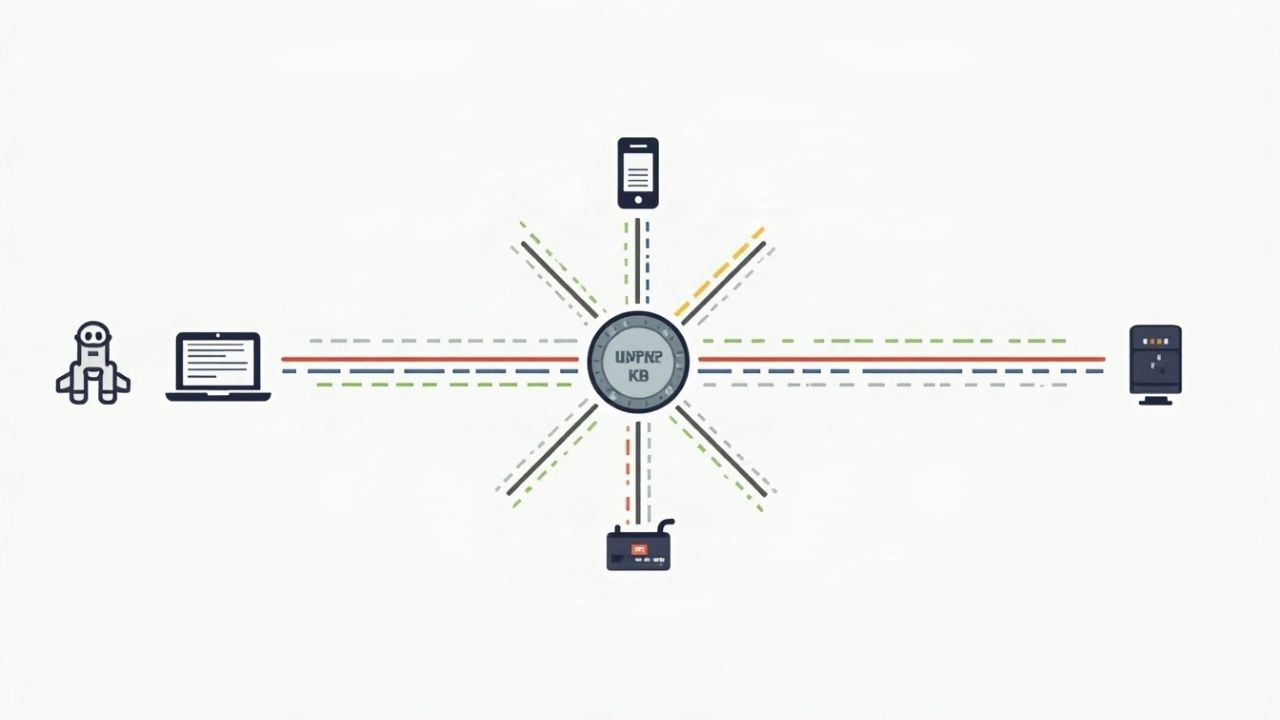
SEO monitoring is only as useful as the search results it reflects. Rankings, paid placements, local packs, shopping results, and competitor pages can look different depending on the location, network, device, and session behind the request. For teams tracking regional visibility, relying on a single connection can leave important local differences out of the picture.
ProxyEmpire is built for data collection tasks such as SEO and SERP tracking, price monitoring, ad verification, and market research. Its mix of rotating residential and mobile proxies gives SEO professionals ways to view public search results through location-specific connections, while its targeting controls and flexible bandwidth model make it practical for research programs that do not run at the same volume every month.
ProxyEmpire is a great, simple option for SEO monitoring because it combines rotating residential, mobile, static ISP, datacenter, and dedicated mobile products under one account. That breadth matters to agencies and in-house teams that may need one type of connection for rank tracking, another for regional ad checks, and another for larger public-data workflows. Instead of building a stack around several separate services, users can select the proxy format that fits the job while keeping access, usage, and configuration in a single environment.
The provider’s residential network includes more than 30 million IPs, while its mobile network includes more than 4 million IPs across 170-plus countries. ProxyEmpire also offers free granular targeting, including country, region, city, ISP, ASN, operating system or TCP settings, and ZIP code for residential traffic. Mobile traffic can be targeted by country, city, and carrier, which is especially useful when a local research task needs to account for carrier-based results or mobile advertising conditions.
Useful capabilities for local monitoring include:
A notable advantage for recurring SEO work is ProxyEmpire’s bandwidth rollover. Unused GB-based traffic carries forward and does not expire, so a quieter month does not automatically turn unused capacity into wasted spend. This structure suits teams whose workloads rise around client reporting cycles, product launches, seasonal campaigns, or audit periods.
Residential proxies are a natural fit for SEO professionals who need to review how public search results appear from specific places. A ranking report may show a different local pack, map listing, organic result order, or advertiser lineup when it is checked from another city or ZIP code. ProxyEmpire’s residential targeting gives researchers room to set a more precise origin before collecting that information.
For local SEO monitoring, country-level access is often only the starting point. A business with branches in several areas may want to compare visibility in individual cities, while a service-area company may need a closer look at a particular ZIP code. ProxyEmpire makes these targeting controls available across residential plans, which keeps the setup straightforward when research needs become more detailed.
Common residential proxy use cases include:
The network supports rotating sessions, session-based access, and a new IP for each request, allowing teams to choose a pattern that suits the task. A rank-tracking workflow may benefit from controlled rotation across a wider group of searches, while a manual review of a regional result page may call for a session that remains consistent for a defined period. This flexibility helps keep the collection method aligned with the research question rather than forcing every task into one connection style.
Mobile search behavior has a central place in local discovery, particularly for users looking for nearby businesses, directions, reviews, and immediate services. ProxyEmpire’s rotating mobile proxies provide access to mobile IPs with country, city, and carrier targeting. For teams checking mobile-first search conditions, this can add context that a standard desktop or residential check may not capture on its own.
Carrier targeting is particularly relevant for hyper-local ad verification and mobile result review. It allows a researcher to narrow a request by the mobile carrier behind the connection, creating a more focused way to inspect public pages and advertising placements. That does not mean every search engine result will change by carrier, but it provides an additional variable when the goal is to study how a campaign appears under different mobile-network conditions.
The rotating mobile service starts at 6 GB for $25 per month, with pay-as-you-go access available at $4.50 per GB. Users who want to test both the residential and mobile networks can use ProxyEmpire’s $1.97 trial, which includes 100 MB of rotating residential traffic and 50 MB of rotating mobile traffic. The trial does not automatically convert into a paid plan, so teams can assess the setup before deciding how it fits into an ongoing process.
For more fixed mobile requirements, ProxyEmpire also offers dedicated US 5G proxies on Verizon with unlimited GB. These are available on daily, weekly, and monthly terms. That option may suit workflows where maintaining a stable mobile connection is more useful than rotating through a broader pool.
A proxy network is only one part of an SEO monitoring setup. Teams also need a manageable way to generate endpoints, configure sessions, distribute access, and connect their chosen tools. ProxyEmpire provides an endpoint generator, a public API, a free Chrome extension, and an Android proxy manager, giving users several paths to put their proxy settings into operation.
The public API can support session, location, and settings management, while the endpoint generator offers a more direct route for users who prefer not to build a custom implementation. ProxyEmpire also supplies integrations and guides for tools such as Multilogin, OctoBrowser, Dolphin Anty, Kameleo, and GoLogin. These resources can be useful for teams managing multiple browser profiles or testing localized web experiences in a controlled way.
The available scraping APIs cover several public-data tasks:
For SEO monitoring, the SERP-focused option is the most immediately relevant. It can help reduce some of the operational work involved in gathering public results, especially where a team needs structured information at scale. At the same time, the wider set of proxy types gives users room to match their approach to the complexity and volume of a particular project.
ProxyEmpire states a 99.9% uptime figure and maintains a public status page. It also offers 24/7 live chat and email support, with dedicated account management available to Corporate and Enterprise clients. These access points are useful for research operations that run across time zones or need quick assistance during a reporting deadline.
ProxyEmpire’s pricing model offers both pay-as-you-go access and monthly tiers. Rotating residential traffic starts at $3.50 per GB through pay-as-you-go pricing, while monthly residential packages begin at 7 GB for $20. Larger tiers reduce the per-GB cost, with custom residential pricing from $0.75 per GB for volumes of 1 TB or more. Rotating mobile traffic starts at $4.50 per GB on a pay-as-you-go basis, with monthly packages beginning at 6 GB for $25.
The value of a plan depends on how consistently a team gathers data. A business running scheduled daily rank checks may prefer a monthly tier, while an agency handling occasional audits, campaign launches, or client-specific research may find pay-as-you-go access more suitable. Because unused GB-based traffic rolls over without expiring, both approaches can be easier to manage when demand shifts from month to month.
Static ISP proxies start at $3.50 per IP for a single address, with lower per-IP rates at higher quantities. Datacenter plans begin with 40 GB for $25 per month, and unlimited residential plans are priced by speed, starting at $200 per day for 100 Mbit. The range means ProxyEmpire can support anything from a small local research test to a more established data-collection operation.
There are a few practical details worth noting. The $0.75 per GB residential figure applies to custom orders of 1 TB or more, so smaller plans have different rates. The service does not offer a money-back guarantee, and sales are final, although requests may be reviewed individually. The paid trial is therefore a useful first step for teams that want to confirm performance and workflow compatibility before committing to a larger package.
ProxyEmpire offers a well-rounded toolkit for SEO professionals who need to see public search results through a more local lens. Its strongest qualities for this use case are the combination of residential and mobile access, free granular targeting, carrier-level mobile controls, unlimited concurrent sessions for approved use cases, and bandwidth that rolls over instead of expiring. The platform also supports a broad range of protocols, session settings, APIs, and browser-related tools, which gives teams flexibility as their monitoring process grows. While users should choose plans with their traffic volume and testing needs in mind, ProxyEmpire presents a practical option for agencies, ad verifiers, automation managers, and data-collection teams that want detailed local research without paying for unused bandwidth.